K Series Podcast
Ban on Private Super Funds Puts Stress on Housing Supply
August 26 2026
Tax legislation changes are lining up to create a perfect storm in the South-East Queensland housing market.
August 26 2026
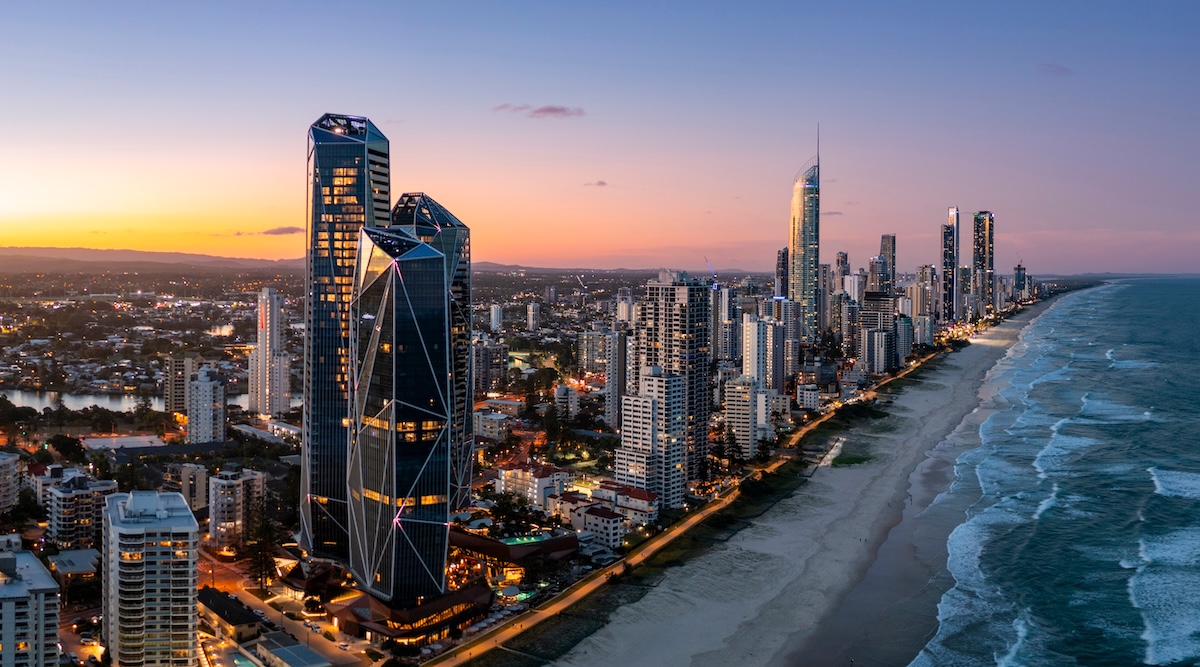
The Gold Coast housing market is already feeling the pinch of the government’s decision to exclude using self-managed super funds (SMSFs) for property investment, effective as of August 10.
According to Kollosche Managing Partner Shane Smollen, a major class of buyer has now been taken out of the market, which in conjunction with the rules around negative gearing, has set the scene for a more severe supply crunch across South-East Queensland over the next few years.
Under the new legislation agreed by the Labour government, SMSFs are banned from entering new Limited Recourse Borrowing Arrangements to purchase property.

The change does not change existing SMSF loans and commercial property borrowing is unaffected, but it has closed off a borrowing structure that has underpinned a significant share of “Mum and Dad” investment purchases for more than a decade.
The impact has been immediate and was already evident in conversations with SMSF specialists, Mr Smollen told Kollosche managing director Michael Kollosche in the latest K-Series podcast.
“I’ve had conversations with people who are deeply involved in SMSF structuring and finding and matching the right investment property for people for their long-term retirement benefit, and they all said the same thing, ‘half my business was wiped out overnight’,” Mr Smollen said.
“That’s fewer people buying homes that would be rented out to supply the market that so badly needs it.”
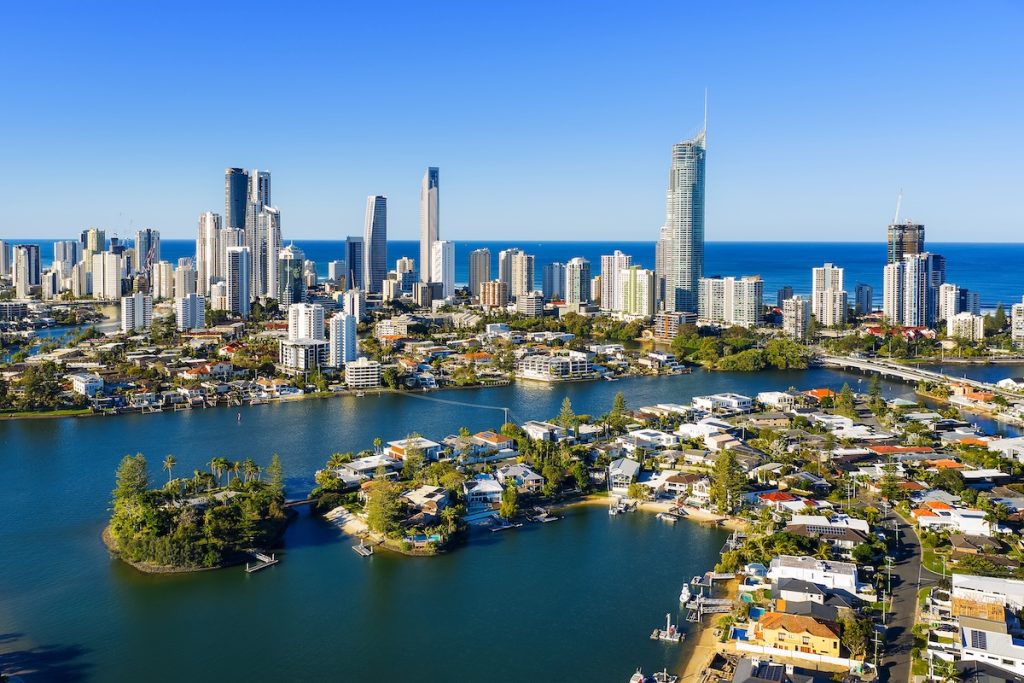
Mr Kollosche said the flow-on effect was also having an impact on the region’s house-and-land developers, who currently deliver between 200 and 1,000 homes a year.
“These guys are openly saying that they are significantly pulling back on their build volumes directly because self-managed super funds are out of the market, which is a big portion of their investor market, alongside negatively geared buyers,” he said.
The combined effect strips a meaningful slice of investor demand out of the one part of the market that supplies rental stock at precisely the point South-East Queensland needs more of it, with the 2032 Olympics driving construction demand and net migration into the region continuing to climb.
“We’re lining up for a perfect storm in the South-East Queensland market,” Mr Kollosche said. “Rents are set to rise considerably, there’ll be an undersupply of stock and net migration will move at higher than usual figures as the ‘Baby Boomer’ generation starts to unlock their super and move to Queensland to retire.”

Mr Smollen said the flipside for those who can afford to act now is the widening gap between the rising cost of building new stock and the price of comparable existing homes, which typically sell for about 20 per cent less than off-the-plan equivalents.
“The properties available now, whether completed or off plan, are in most respects going to be exceptional value, because the replacement costs are only going to get higher and higher,” he said.
“Second-hand stock that is modern and still has high-level amenity is going to look fantastic value in retrospect.”
To learn more about the impact of legislative changes on the Gold Coast market alongside other markets tips and insights listen to the full podcast.